Start with the rail geometry
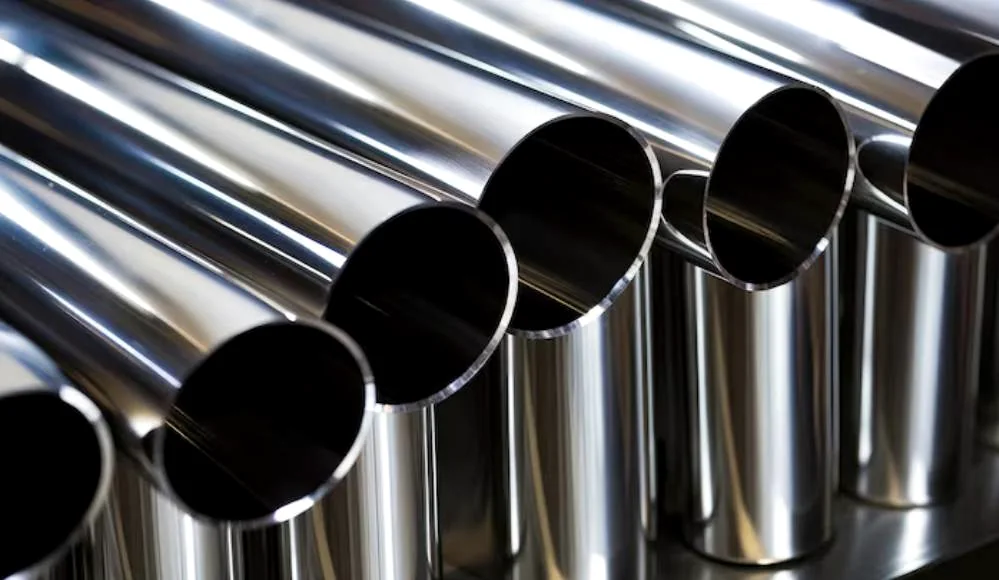
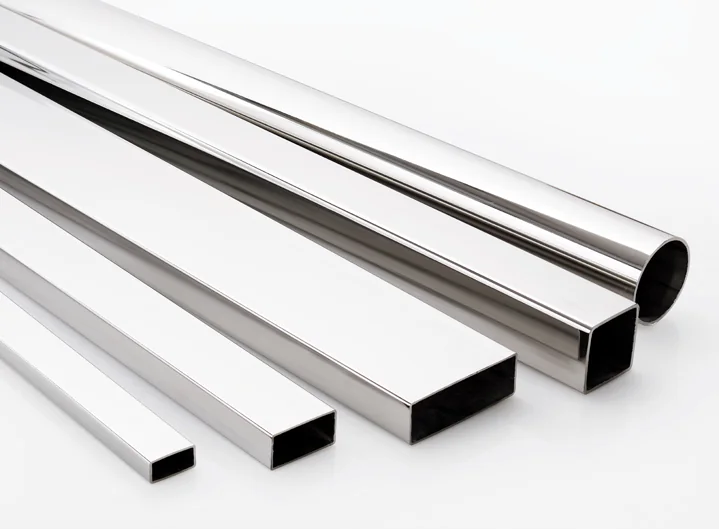
A stainless steel wardrobe rail buyer guide should begin with the assembly drawing, not a seller photograph. This independent page does not assert a current YUHUA wardrobe-rail product or capability. State whether the rail is round, oval or another profile, and identify the interface that the cabinet design must accept.
Give actual outside dimensions, wall, cut length, units, tolerances and end condition. Identify mating sockets, brackets, clips and caps. A photograph cannot prove fit, and a nominal inch label may hide a different actual dimension.
Let the cabinet design control span and support
Provide the clear span, support locations, expected loading, attachment method, and acceptable deflection from the approved furniture design. The rail seller should not invent a safe span from material name alone. Cabinet material, bracket strength, fasteners, installation, load distribution, and user behavior all affect the assembly.
If the project needs a structural calculation or test, define the method and acceptance owner. Keep rail supply separate from claims about the complete wardrobe system unless the supplier is contracted to design that system.
Make finish and handling measurable
Mark visible faces, finish direction, color expectation, allowed marks, and reference sample. State whether ends are visible after installation. Add protective film or sleeves where rubbing could damage the surface, and define residue acceptance if adhesive film is used.
Long rails can be scratched or bent during loose packing. Specify bundle support, separators, moisture protection, labels, and maximum package length where logistics require them. Packing should appear on the quotation and receiving checklist.
Ask for current scope without assuming it
Send the profile drawing, dimensions, finish reference, span and support context, end fittings, quantity, packing, and destination. Ask YUHUA to mark what can be reviewed or quoted now. Do not treat an old product image or title as evidence of current inventory, load capacity, or manufacturing capability.
Ask the response to distinguish the rail itself from brackets, sockets, caps, drilling, cutting, and installation. Record who supplies each part, which drawing controls interfaces, and whether samples or first-article approval are required. This avoids an apparently complete price that omits the pieces needed for the finished cabinet assembly.
Add a receiving trial for the mating bracket and cap when fit controls acceptance. Record the sample identifier, insertion depth, permitted movement, visible gap and approval owner. A controlled fit check is more useful than saying the rail should match standard accessories.
Use the round tube home page for dimensional language and the decorative tube page for visual acceptance. This site does not link to other category sites, and no related-product block should imply an unsupported network of supply capabilities.
Technical references
Questions buyers ask
Does this guide establish a YUHUA wardrobe rail range?
No. It is independent buyer education. Profile, dimensions, material, finish, fittings, quantity and availability must be established by an item-specific offer and reviewed against the assembly drawing.
Can the tube supplier determine the safe wardrobe span?
Not from the tube label alone. The approved cabinet design must consider rail geometry, material, bracket spacing, fasteners, cabinet substrate, load distribution, installation, and acceptable deflection.
What should a wardrobe rail RFQ include?
Include profile drawing, actual dimensions, wall, length, tolerances, finish sample, visible faces, ends, mating fittings, support layout, quantity, packing, labels, destination, and required records.