Evidence-led stainless steel sourcing

+86 131 5623 3808  ·  opheliamyers221@gmail.com

YUHUA METALS / Quality

Define evidence and acceptance for stainless steel tube and pipe

Specify what will be checked, how acceptance will be decided and which record must connect to each offered or delivered line.

Define the stainless steel tube and pipe context

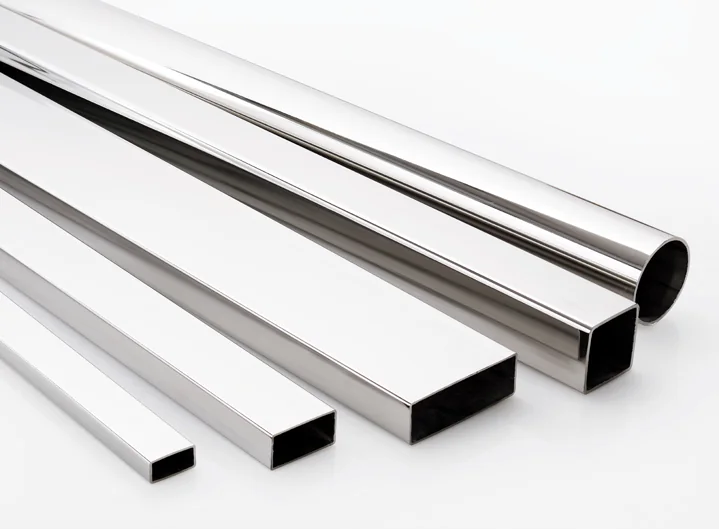
The metals site covers buying questions that begin before a single profile or process route has been fixed. Tube and pipe are not interchangeable labels: a request may be controlled by actual outside dimensions, by a nominal pipe convention, or by a drawing that defines the finished part. The first useful decision is therefore the product form and dimensional language, followed by service, grade, finish and fabrication needs.

This broad family is useful for comparing structural, decorative, fabricated and pressure-service enquiries without forcing them into one template. A square architectural member, a round process line and a machined seamless component expose different risks. The quotation should preserve those differences instead of reducing the request to a grade name and a price per unit weight.

Build an evidence plan around acceptance

Quality planning for stainless steel tube and pipe is a documented agreement, not a collection of broad assurances. Begin with the named product standard, an approved drawing and the line-item requirements stated by the purchaser. For each requirement, name the characteristic, method or reference, coverage, acceptance basis, record format and approval owner. This makes clear whether a check applies to every piece, a defined sample, a heat or lot, or a submitted document.

Evidence should remain traceable to the commercial line. Ask how material identity, dimensional results, finish references and any specified test records will be identified and linked to the offered or delivered item. Do not use phrases such as fully tested or fully certified as substitutes for scope. Unavailable evidence, proposed alternatives and purchaser-held approvals belong in the written deviation list.

Review evidence requirements before price comparison, not after production or dispatch. The resulting matrix should show who supplies each record, who reviews it and what happens when product form, grade, dimensional convention, finish and manufacturing route or an acceptance document differs from the requested baseline.

What this means for stainless steel tube and pipe

A broad metals order needs a document matrix tied to each line item. Material records, dimensions, surface references and test reports should be requested only where relevant, then matched to identifiers on the offered or delivered material.

Keep acceptance and current scope explicit

For a metals enquiry, traceability starts with an unambiguous line item. State whether dimensions are actual or nominal, identify wall or schedule, and name the revision of every drawing or standard that controls acceptance. Finish descriptions need a measurable or approved reference; words such as polished, decorative or sanitary are not complete acceptance criteria by themselves.

Archived YUHUA material may help buyers identify questions, but it does not establish present product scope, stock, certification or test coverage. Only the written response for the current enquiry can state what is offered, what evidence is available and which points remain open. Engineering approval and the final purchase order remain controlling documents.

Continue in this product site

Open the detail behind the next decision

RFQ desk

Request a specification review

A useful first message names the product form and explains whether the buyer is confirming an existing specification or asking for options. Include destination, quantity and timing separately from technical acceptance so neither side mistakes a commercial assumption for a product requirement.

WhatsApp +86 131 5623 3808

opheliamyers221@gmail.com

Do not send passwords, payment-card data or unnecessary sensitive information.