
What 201 vs 304 stainless steel actually compares
201 vs 304 stainless steel compares two austenitic stainless grades, not two stainless families. The useful distinction is alloy strategy: 201 commonly uses more manganese and nitrogen with reduced nickel relative to the conventional chromium-nickel strategy associated with 304. Exact chemistry limits belong to the governing material specification and order records. A buyer should compare the actual exposure, material condition, forming and welding route, surface requirement and evidence package rather than treating either shorthand grade name as a complete purchase description.
Both grades can appear in more than one product form, and a grade label alone does not select pipe, tube, sheet or the controlling product standard. Establish the form and condition first, then ask how the approved chemistry and processing route address the service. An archived legacy source previously presented 201 and 304 category names in YUHUA product information; that record is pending mandatory re-verification and cannot establish current product scope, availability or company capability.
| Decision dimension | 201 direction | 304 direction | Buyer action |
|---|---|---|---|
| Stainless family | Austenitic | Austenitic | Do not frame the choice as family-versus-family |
| Alloy strategy | Manganese/nitrogen play a larger role; nickel is typically reduced | Conventional chromium-nickel austenitic strategy | Verify exact designation and chemistry limits in the governing record |
| Corrosion decision | Check the actual indoor, wet, salt and cleaning exposure | Check the same exposure and project acceptance basis | Use service evidence, not a universal ranking |
| Condition and manufacture | Review cold work, forming, joining and final finish | Review cold work, forming, joining and final finish | Approve the delivered condition and fabrication route |
| Evidence | Order-specific material identification and records | Order-specific material identification and records | Link documents to the delivered item |

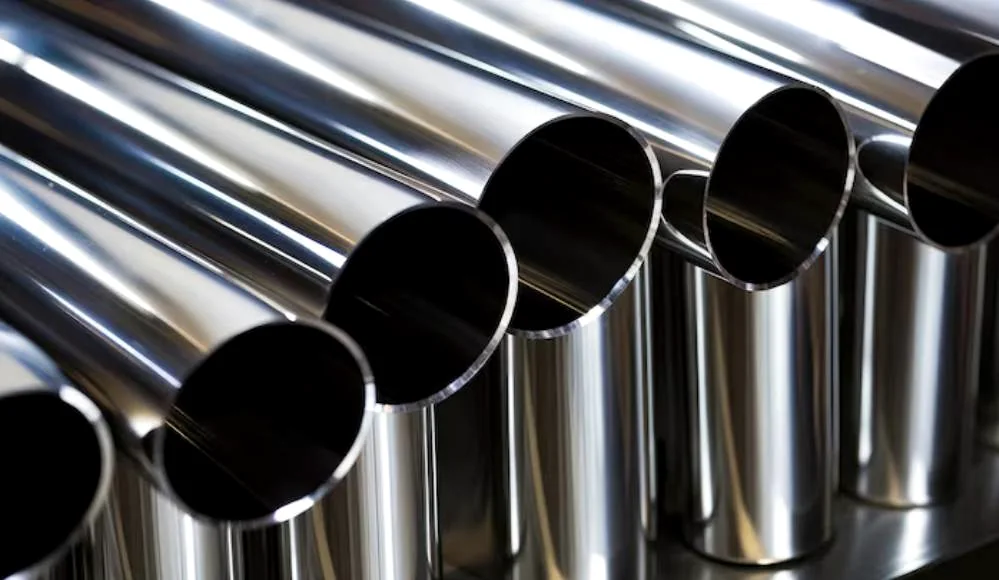
Compare corrosion exposure, not vague durability
Neither 201 nor 304 can be selected from the word stainless alone. Record wet time, chloride or salt exposure, process chemicals, cleaning products, temperature, crevices, deposits and contact with other metals. Note whether staining is cosmetic, whether local attack threatens function and how inspection or cleaning will be performed. Independent corrosion guidance helps organize these variables but does not approve a material for a particular project.
If exposure is incompletely known, keep the uncertainty visible. Ask the specifier whether testing, a different austenitic grade, a more corrosion-resistant alloy strategy or a maintenance control is required. A quotation may propose an alternative, but the alternative belongs on its own line with a stated technical basis. Do not let a lower price silently resolve an engineering uncertainty.
Account for strength, hardness and condition
A useful 201-versus-304 decision records the required condition as well as the grade. Both candidates are austenitic, yet mechanical behavior can still depend on chemistry strategy, cold work, section form and processing history. Specify the properties and condition through the correct product document rather than copying a value from a general article.
Ask which property is functionally important: proof strength, tensile behavior, hardness, impact behavior, wear response or something else. Then identify the acceptance method and record. More is not automatically better. Excess hardness, an unsuitable condition or an unapproved heat treatment can complicate machining, forming or joining even when a headline value looks attractive.
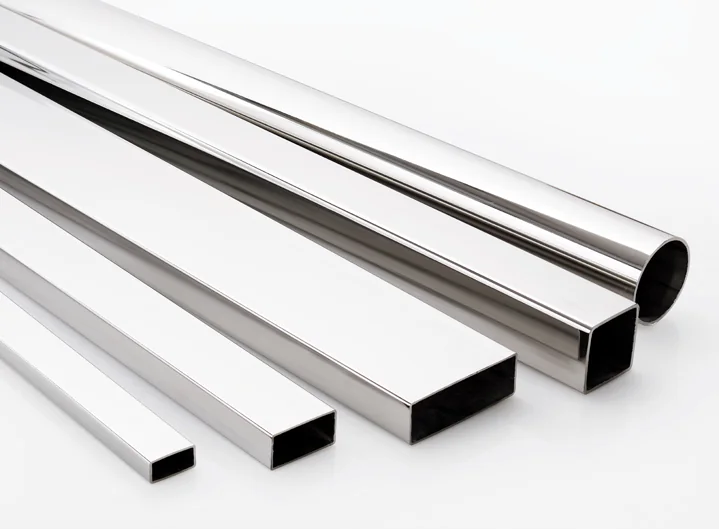

Review welding, forming and machining separately
The fabrication plan often separates 201 from 304 more clearly than a generic property list. State whether the part will be cold formed, expanded, machined, welded, polished or heat treated after purchase. Ask the fabricator to review tooling, heat input, filler selection, distortion control and post-process cleaning under the approved procedure.
Do not assume that a qualified procedure for one austenitic grade, condition or product form automatically transfers to the other. Where welding is involved, the design and quality teams should define procedure qualification, inspection and surface-restoration requirements. Where machining or wear is central, confirm the delivered condition and any later heat-treatment responsibility before price comparison.
Build a decision matrix the project can approve
Score only criteria the project has defined. A practical matrix may list environment, mechanical demand, fabrication route, appearance, inspection, document burden, maintenance and lifecycle consequence. Assign an owner and evidence source to each row. Leave a cell unresolved when evidence is missing; a blank is more honest than an invented score.
After technical screening, compare commercial offers for 201 and 304 on the same product-form, dimensional, test, document, packing and freight basis. If the baselines differ, the totals are not comparable. Record the approved reason for selection and reopen it if the environment, drawing, condition or governing standard changes.
Keep YUHUA outside the independent grade conclusion
This guide does not state that YUHUA currently supplies 201, 304 or any particular combination of grade, form and condition. An archived legacy source previously presented those grade labels in YUHUA product information; that record is pending mandatory re-verification and cannot establish current product scope, availability or company capability.
A future commercial inquiry should carry the approved product description and ask for written, item-specific re-verification. Any returned offer must identify assumptions, deviations, records and current availability. Until the human knowledge gate is complete, no archived category note can be treated as a present product or manufacturing claim.
Preserve the grade-comparison basis
Freeze the comparison inputs before quotations arrive. Record the product form, service environment, required condition, finish, fabrication steps and governing specification edition. If the project changes from an indoor decorative component to a wet or chemically cleaned service, reopen the 201-versus-304 selection rather than carrying forward an old conclusion. The decision file should show which exposure and manufacturing facts were actually reviewed.
Keep material evidence separate from commercial claims. The material record should identify the ordered designation and connect it to the delivered item; the quote should state dimensions, condition, tests, documents and deviations. A price comparison is meaningful only after those technical baselines match. Where an alternative chemistry, condition or product specification is proposed, route it to the material authority and preserve the written disposition.
Record the fabrication outcome as feedback, but do not turn one project's result into a universal grade rule. Cold work, welding, polishing and cleaning can produce different outcomes across sections and suppliers. Capture the actual procedure, acceptance method and nonconformities so a later project can understand the context rather than inheriting a slogan such as 304 is always better or 201 is always cheaper.
Before closeout, have material engineering and fabrication review the same comparison sheet. Chemistry strategy, corrosion exposure, delivered condition and shop route should point to one approved designation. Procurement then records the aligned commercial scope. If any one of those inputs remains provisional, label the selection provisional too and prevent the draft grade from becoming an uncontrolled default in drawings or purchase templates.
Technical references
Questions buyers ask
Is 201 always better than 304?
No. The answer depends on environment, required condition, fabrication, governing product standard and failure consequence. Have the responsible engineer approve the selection.
Can web property values be copied into a purchase order?
No. Use the applicable product standard, edition, approved design documents and order-specific records. General values are educational, not acceptance criteria.
What makes quotations comparable?
Use the same product form, dimensions, condition, testing, records, packing and freight basis. Put every alternative or deviation on a separate line.
Does this comparison establish a current YUHUA range?
No. Archived legacy material is pending mandatory re-verification. Current scope would require human approval and item-specific written evidence.