Begin with the product identity
Stainless steel round tube is the topic of this independent sourcing guide. An archived legacy source previously presented a YUHUA round-pipe category, but that company statement is pending mandatory re-verification and cannot establish current grades, dimensions, finishes, routes, certificates, quantities, availability or delivery. A serious request starts by defining the item, not by treating an archived page as a stock list.
Write tube when the design controls actual outside diameter and wall thickness. Write pipe when the design uses nominal pipe size and a schedule or another pipe dimensional basis. The words are often mixed in casual trade conversation, yet a purchasing document needs one controlling system. If the drawing and bill of materials disagree, resolve that conflict before seeking prices. A low quote against the wrong dimensional basis is not a saving.
The official ASME B36.19M page explains a useful distinction: tube sizes normally identify actual outside diameter, while nominal pipe designations follow a separate dimensional convention. Use the governing drawing and standard to decide which description belongs on the line item.

State dimensions in a form that can be checked
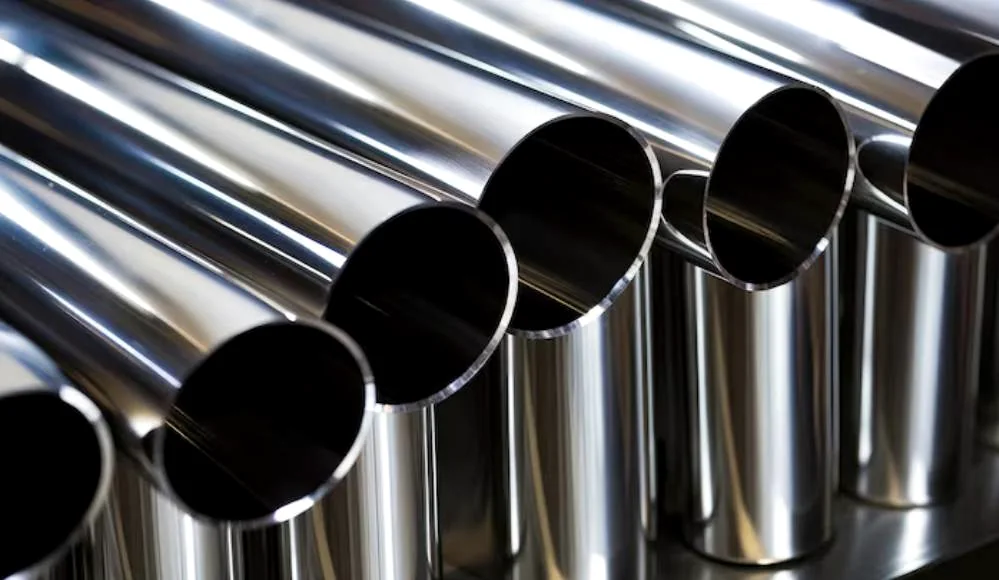
For round tube, give the actual outside diameter, wall thickness, finished length, units, and permitted tolerances. Add straightness or ovality only when the assembly needs those controls. A telescoping part, seal, bearing, decorative collar, or close-fitting sleeve may care about roundness in a way that a loose frame member does not. Define where and how the feature will be measured instead of writing a vague tight tolerance note.
Show holes, slots, cutouts, and orientation on a drawing. If seam position matters for appearance or a later operation, mark the accepted clock position. State whether length is measured before or after beveling, facing, or other end preparation. These details seem small during quotation. They become expensive when parts reach an automated fixture and do not sit as expected.
Avoid copying dimensions from a photograph, marketplace listing or archived product title. No current authorized YUHUA evidence supports a public size table for this category. Dimensions must come from the buyer's approved design or an item-specific written offer.
Select material for the real environment
A stainless grade should be selected against exposure, fabrication, maintenance, and consequence of failure. Describe moisture, salts, cleaning chemistry, temperature, deposits, crevices, and contact with other metals. Note whether the tube is a visible architectural element, a furniture component, a machine guard, a fluid path, or part of another controlled system. The word stainless does not make every grade suitable for every environment.
worldstainless recommends considering corrosion or heat resistance, mechanical properties, fabrication operations, and total cost together. That is a better starting point than choosing a grade from appearance alone. The responsible designer still needs to approve the exact designation and product standard. A website can explain the questions; it cannot replace that project decision.
If 304 is requested, keep the designation tied to the appropriate product form and standard. An archived legacy source previously presented a broad YUHUA 304 pipe category, but that company statement is pending mandatory re-verification. It cannot establish a 304 round tube in any dimension or route. Request item-specific written evidence instead of merging archived statements.
Define finish and downstream fabrication separately
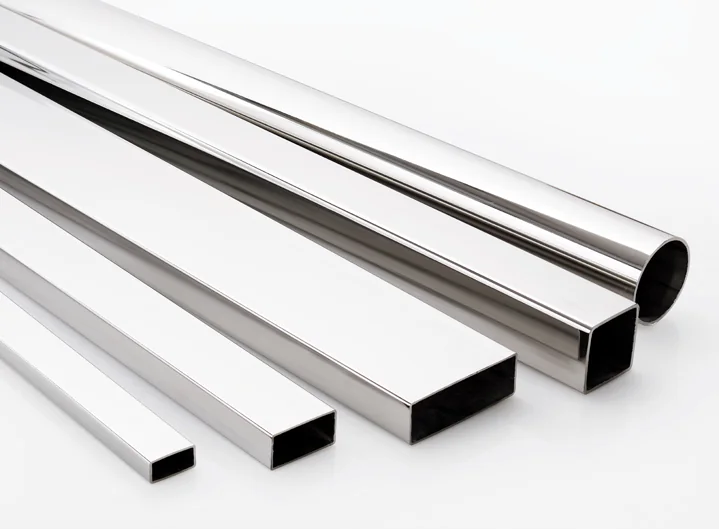
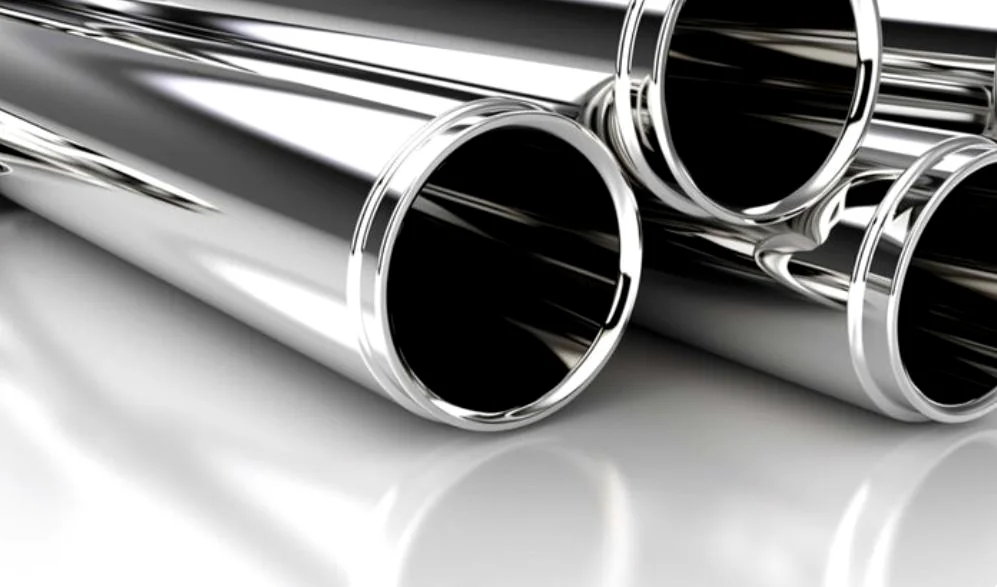
Finish language needs more than a label such as polished, satin, or mirror. Mark visible faces, finish direction, acceptable marks, weld appearance, reference sample, film, and packing. A finish sample should have an identifier and approval date. Lighting and viewing distance may also matter when appearance is contractual. The clearer the visual acceptance rule, the less room remains for argument at receiving.
Tell the respondent what happens after delivery. Bending, welding, machining, polishing, and assembly can change which incoming condition is practical. If the tube will be bent, provide bend geometry and let the fabricator state the needed condition. If it will be welded, the fabrication specification should control the procedure, consumables, cleaning, and inspection. Do not ask a material page to guarantee an unspecified fabrication outcome.
worldstainless maintains fabrication guidance covering welding, forming, cleaning, and finishing. Use such material for background, then translate the applicable requirements into the drawing, purchase order, and inspection plan.
Ask for order evidence, not generic reassurance
Create a short evidence list before comparing offers. It may include the offered material designation, product standard and edition, route, dimensions, inspection results, marking, and order-specific material records. Only request what the project needs. An undefined demand for full certification can increase cost without improving acceptance, while a vague quality certificate can fail to prove anything about the delivered lot.
Check that identifiers connect the documents to the material. Product description, grade, standard, dimensions, and heat or lot references should agree. A brochure, sample certificate, or old web page is educational material, not acceptance evidence for a future shipment. Deviations should be shown on the quotation instead of buried in a substitute description.
The current inquiry should also state quantity, destination, required packing, inspection timing, and the date by which the offer is needed. Commercial terms make sense only after the technical baseline is stable.
Use a practical round tube RFQ sequence
First, confirm whether the item is tube or pipe. Second, state the approved material and product standard. Third, add actual dimensions, tolerances, length, ends, finish, and planned fabrication. Fourth, list required tests and documents. Fifth, define quantity, packing, destination, and schedule. Finally, ask the respondent to mark each assumption and deviation. That sequence turns a search phrase into a purchase line that can be reviewed.
If appearance drives the purchase, continue to the decorative tube page. If Schedule 10 language appears on the drawing, use the Schedule 10 guide before requesting a quote. For a 304 profile, the 304 round tube page separates the alloy request from dimensions and route. These pages stay inside this round-tube site.
Send the controlled package to the prospective contracting party and request an item-specific written response covering offered fields, exclusions, assumptions and deviations. Nothing on this educational page establishes what any company can quote or supply.
Technical references
Questions buyers ask
Is stainless steel round tube ordered by nominal pipe size?
Not normally when the design controls tube geometry. State actual outside diameter and wall thickness for tube. If the project uses nominal pipe size and schedule, identify the item as pipe and cite the governing dimensional standard. Resolve mixed notation before quotation.
Does this page confirm YUHUA round tube sizes or grades?
No. An archived legacy source previously presented a round-pipe category, but it is pending mandatory re-verification. Every size, wall, grade, route, finish, tolerance, test, document, quantity and delivery term needs current evidence.
When should ovality be included in the RFQ?
Control ovality when seals, sleeves, rollers, bearings, telescoping parts, bending, or close decorative collars depend on roundness. Define the measuring locations, orientation, method, and acceptance limit on the drawing or inspection plan.
What files make a round tube inquiry useful?
Send the drawing, approved material and standard, dimensional table, finish reference, fabrication notes, inspection requirements, quantity, packing needs, destination, and requested document set. Ask the respondent to identify deviations clearly.