Read Schedule 10 as one field, not the whole product
Stainless steel sch 10 pipe is a common search phrase, but Schedule 10 alone does not define an order. A pipe line still needs nominal pipe size, the applicable dimensional standard, material designation, product standard, manufacturing route where controlled, length, ends, service basis, tests, and documents. The schedule is a wall designation within a particular dimensional system. It is not a grade and it is not a pressure rating by itself.
The ASME B36.19M stainless steel pipe page distinguishes schedule numbers with an S suffix from related dimensions in ASME B36.10M. It also notes that some walls are not identical across the two standards. That is why a buyer should write the exact governing standard and designation instead of shortening everything to sch 10 in an email subject.
Do not copy a wall value from an unverified online chart. Start with the approved edition and nominal size. Put the required outside diameter and nominal wall on the purchase line only after they have been checked against that controlled source.
Separate pipe notation from round tube notation
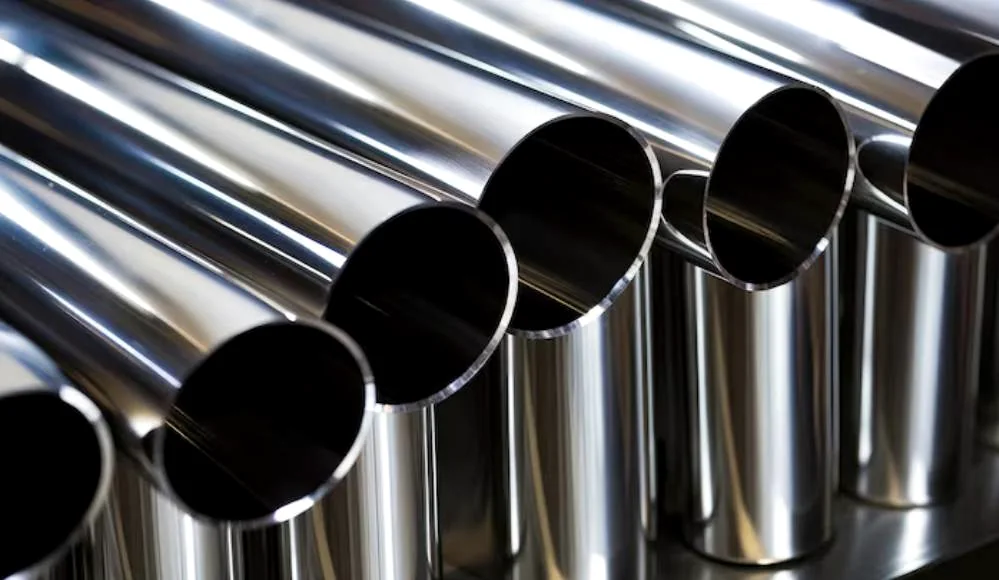
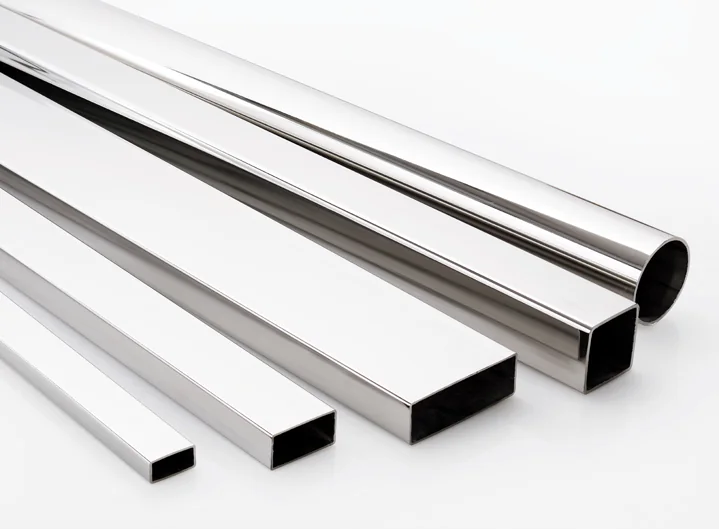
Pipe is generally ordered by nominal pipe size and a schedule or wall designation. Tube is commonly ordered by actual outside diameter and wall. A round photograph cannot tell you which basis applies. The ASME page explains that pipe outside diameter is not simply the nominal number for smaller sizes, while tube size normally follows actual outside diameter.
Mixed notation is a warning sign. A drawing that says tube, NPS, OD, and Schedule 10 in one uncontrolled callout may combine two systems. Ask the designer to issue a corrected description. If a mating flange, fitting, clamp, or seal is involved, confirm that the selected product basis matches the connected component.
On this site, the round tube home page handles actual OD-and-wall inquiries. This Schedule 10 page handles pipe terminology. Keeping those roles separate prevents two pages from targeting the same purchase decision and keeps the RFQ clear.
Choose material and product standard independently
A schedule does not identify the alloy. State the exact material designation approved for the environment and the product standard that governs manufacture and tests. ASTM A312/A312M is one official specification covering seamless, straight-seam welded, and heavily cold-worked welded austenitic stainless steel pipe for the services described in its scope. It is not automatically the right document for every stainless pipe project.
The design authority should identify the applicable code, product standard, edition, grade and supplementary requirements. An archived legacy source previously presented a broad YUHUA 304 pipe category, but that statement is pending mandatory re-verification. It cannot establish a Schedule 10 size, route, standard or current stock line.
If an offer proposes another grade or standard, require a clear deviation. Do not allow a familiar trade description to hide a different technical basis.
Describe service and end connections
Explain what the pipe will do. Record fluid or gas, design temperature and pressure, corrosion exposure, cleaning chemistry, external environment, and code classification. The responsible engineer uses that information to approve material, wall basis, joint design, and tests. A seller should not be asked to create the design basis from a short web inquiry.
State plain, beveled, threaded, grooved, or otherwise prepared ends only when permitted by the governing documents. Provide bevel geometry or connection standards where controlled. Include fixed or random length, cut tolerance, caps, internal cleanliness, and orientation needs. If field welding follows, coordinate incoming ends and cleanliness with the welding specification.
Small omissions are costly. An offer for the right nominal size and wrong end preparation may look correct until fabrication starts.
Build a dimension and evidence check
Create a controlled line-item table with nominal size, schedule designation, standard edition, outside diameter, nominal wall, length, grade, product specification, route, ends, quantity, and destination. Cite the source for dimensions. A public page should not reproduce an unverified table, and this draft deliberately does not claim that YUHUA offers every row in ASME B36.19M.
Then list the evidence required for acceptance. Depending on the project, this may include order-specific material records, dimensional results, required nondestructive or pressure tests, markings, and inspection reports. Name the method and acceptance basis. A request for tested pipe without identifying the test is incomplete.
Review identifiers across the quote and document package. The grade, standard, dimensions, route, and material references should tell one coherent story. Generic certificates and archived product screenshots do not establish a current line.
Compare offers on the same technical baseline
Normalize the proposed material, size, schedule, standard edition, route, ends, tests, records, length, packing, freight, and exclusions. A low price may exclude cutting, inspection, documents, or protective packing. Put deviations beside the base requirement so engineering can review them without searching through sales notes.
Ask when lead time becomes firm and what approvals are required first. Do not reuse a generic website promise or a previous order as a current commitment. Quantity, production route, documents, inspection hold points, and destination can all change timing.
For a current YUHUA review, submit the controlled table and evidence list. The response should mark available, unavailable, and alternative items separately. It should not be inferred from the existence of the round-pipe category.
Technical references
Questions buyers ask
Are Schedule 10 and Schedule 10S always the same?
Do not assume so. ASME B36.19M uses the S suffix for stainless steel pipe and notes differences from related ASME B36.10M walls at certain sizes. State the exact governing standard, edition, nominal size, and schedule designation.
Does Schedule 10 tell me the pressure rating?
No. A schedule is a dimensional wall designation. Allowable service depends on material, dimensions, temperature, applicable design code, joint design, fabrication, corrosion allowance, and other project factors evaluated by the responsible engineer.
Can I use a tube outside diameter with a pipe schedule?
Only if the approved design intentionally uses that combination and defines it clearly. Normally, tube uses actual OD and wall while pipe uses nominal pipe size and a schedule or specified wall. Resolve mixed callouts before pricing.
Does this page establish a YUHUA Schedule 10 stock table?
No. It publishes no company stock or availability table. Use the controlled dimensional standard, then send the exact nominal size, grade, route, length, ends, quantity, tests and document needs for item-specific review.